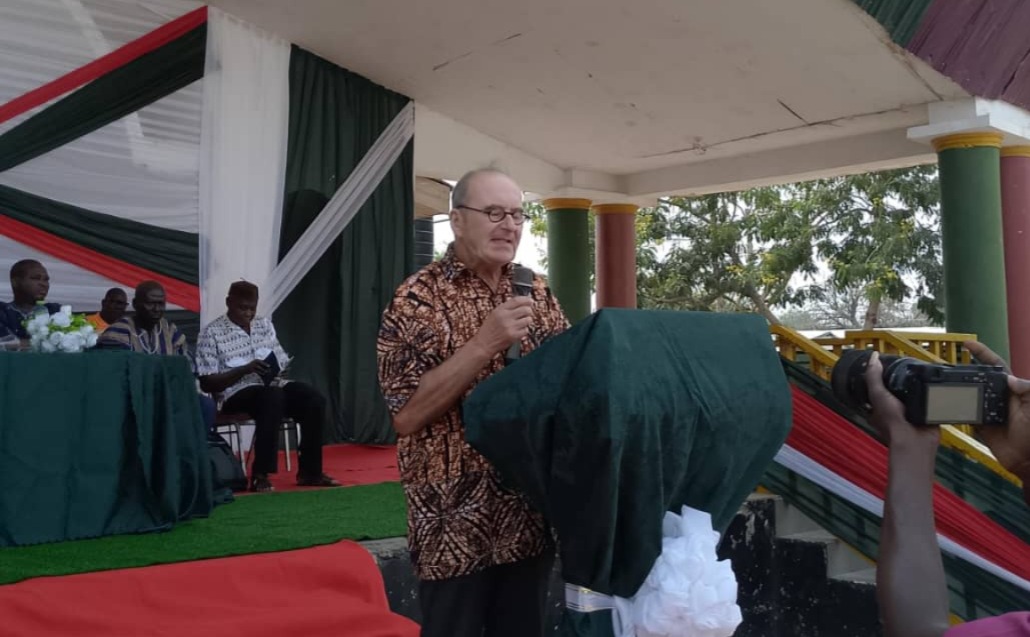
‘Buy made in Ghana’: Belgian activist champions local products, environmental action
Belgian environmental activist in Ghana, Erik Blauwet, has called on Ghanaians to prioritize patronizing made-in-Ghana products as a pathway to national development and economic growth.
Mr Blauwet made the call when he spoke at the 25th anniversary of TradeAid Integrated, which celebrated its long-standing work in advancing livelihoods, strengthening local enterprises, and promoting resilience among artisans and small-scale producers.
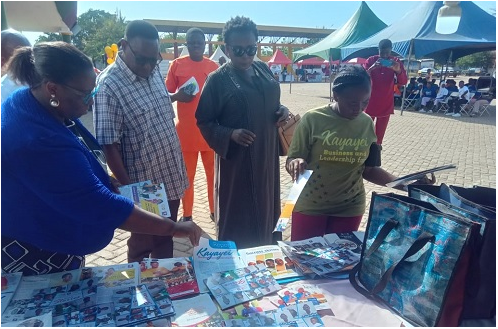
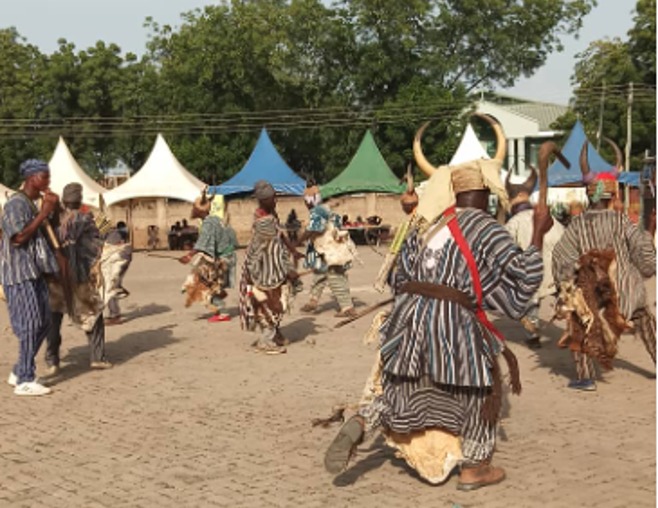
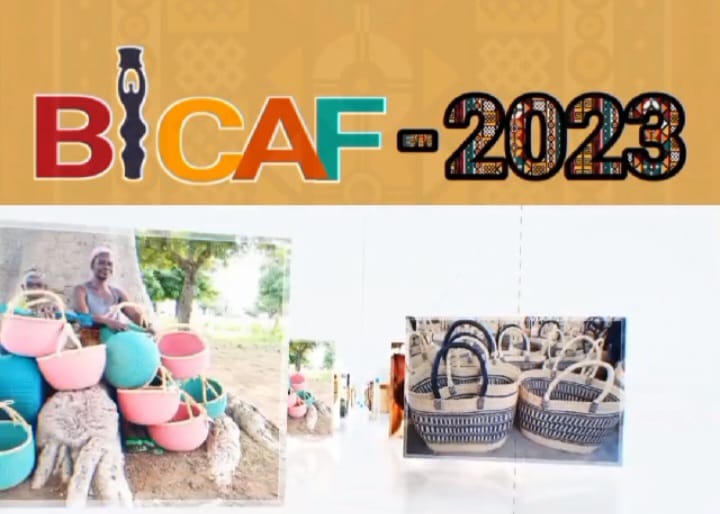
The milestone was marked during this year’s Bolgatanga International Arts and Crafts Festival (BICAF), where partners, stakeholders, and international collaborators joined the organisation to reflect on its impact and future direction.
Mr Blauwet urged Ghanaians to support the economy by purchasing locally made goods.
“Please, let us buy Made in Ghana and support our own economy.”
In his speech, Mr Blauwet highlighted concerns about the level of local institutional support for such initiatives. He observed that despite the festival’s economic and cultural significance, the expected presence of local leaders was largely absent.
Drawing from experiences in Europe, he noted that similar events often attract strong official representation that helps validate the work of artisans and motivates those sustaining the local economy.
“There is something on my heart that I wish to share out of respect for the organizers. I know their efforts. I have been here three times already for this event. At the opening of this arts and crafts festival, I was struck by the absence of local dignitaries. In my country, Belgium, we had an Africa Week. The mayor and other leaders of Bruges, even as a provincial capital, were present at the official opening. They visited every stand, spoke with exhibitors, and praised the organizers and the artisans who keep the economy alive. And here, those who feed the economy are ignored. It pains me not to see such recognition here.”
He stressed that recognition and appreciation from leadership play a crucial role in driving growth, improving employment, and strengthening regional development. According to him, the absence of such acknowledgment risks slowing progress in expanding economic opportunities and reducing poverty in the region.
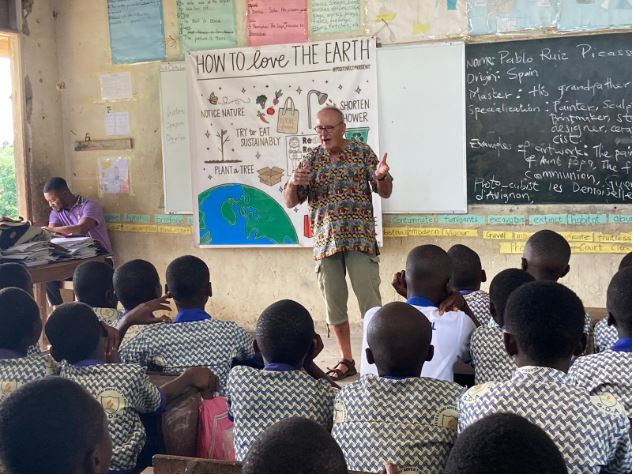
Beyond governance issues, Mr Blauwet also shifted focus to environmental responsibility. He appealed to participants and the wider community to reduce their dependence on disposable plastics (polythene), describing it as a growing threat to Ghana’s environment.
He encouraged buyers to refuse unnecessary plastic bags—especially when purchasing already packaged goods—and to opt for reusable alternatives whenever possible, noting that small daily actions can significantly reduce plastic waste.
“This morning, I bought soap, and the lady immediately took a disposal bag. You call it a rubber, I think. But I don’t need it. I can put it in my backpack. Please, please, refuse this all the time. I beg you. And you can see on my banner the word ‘reduce.’ By refusing disposal bags all the time, we can decrease the plastic mountain in Ghana.”
He further urged proper waste management practices, emphasizing the need to separate plastic bottles, cans, and sachets rather than mixing all waste materials together.
“Plastic bottles, cans, and sachets must be collected separately—not mixed, not thrown together. When everything is put into one container, as I see so often, value is destroyed.”
TradeAid Integrated’s anniversary celebration reaffirmed its commitment to local economic empowerment, environmental sustainability, and the continued transformation of livelihoods.
The organisation expressed optimism that stronger community engagement, improved public support, and increased environmental consciousness will shape the next phase of its work.